
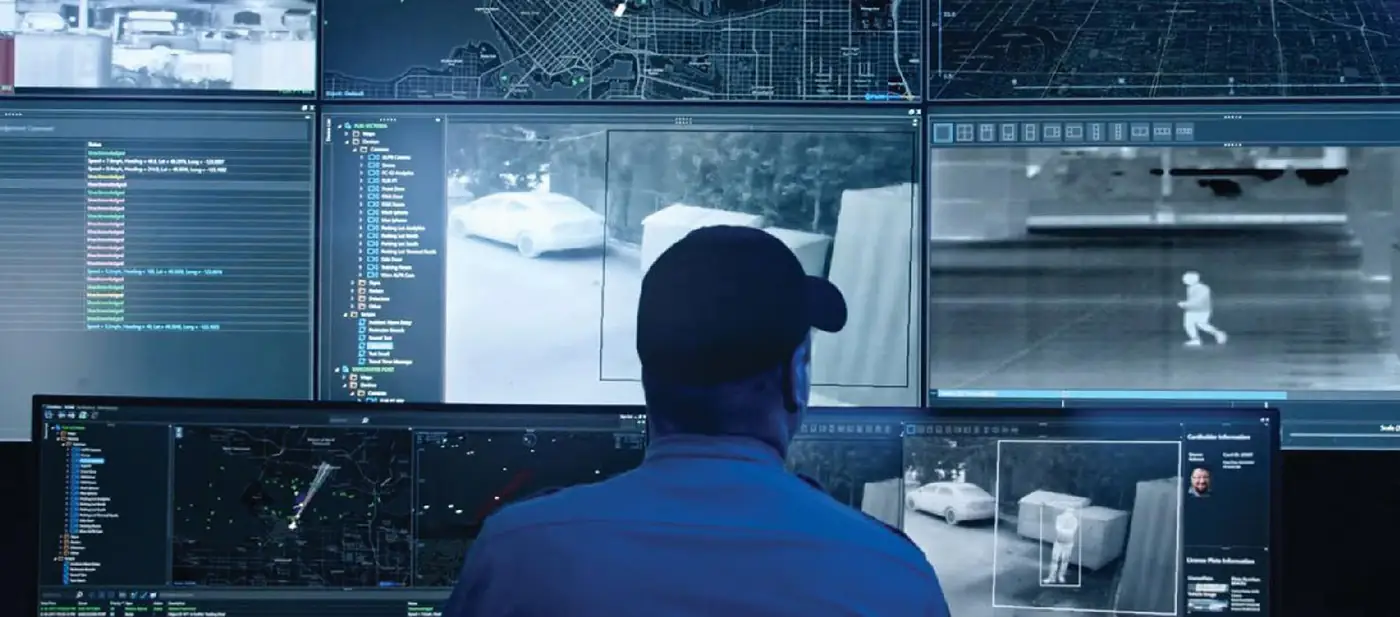
Security services
Seven services, sold separately or as one contract. For each one: what it is, the problem it solves, who it is for and what is included.
Manned guarding
Uniformed officers posted to your site, selected and trained for that site.
Sites lose stock, time and trust when the people at the gate change every month and nobody checks on them. We post a dedicated core team: the same officers stay on your site, each rank has defined responsibilities, and supervisors visit to see the work being done.
Who it is for. Offices, factories, warehouses, hospitals, campuses, hotels, residences and construction sites.
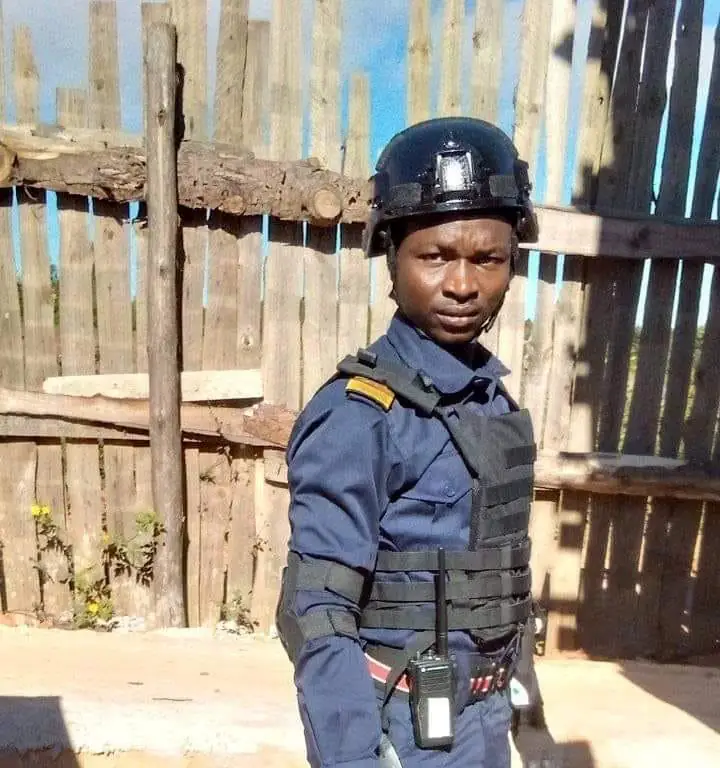
What is included
- Gatehouse and access control
- Site security and site patrols
- Multi-storey building security
- Visitor, goods and vehicle records
- Searches of persons and vehicles
- Parking control
- Concierge and customer service duties
- Special event security and crowd control
Every officer passes a four to five week basic course before deployment, then trains again on your site instructions.
Quick response
Marked response vehicles and trained crews that back up your guards when something happens.
A guard who raises the alarm needs someone to arrive. Our Quick Response Force supports guarded sites and can be contracted on its own, ad hoc or on retainer, for short and long terms.
Who it is for. Guarded sites that need backup, businesses in high-risk operating periods, and estates and public spaces that need a visible presence.
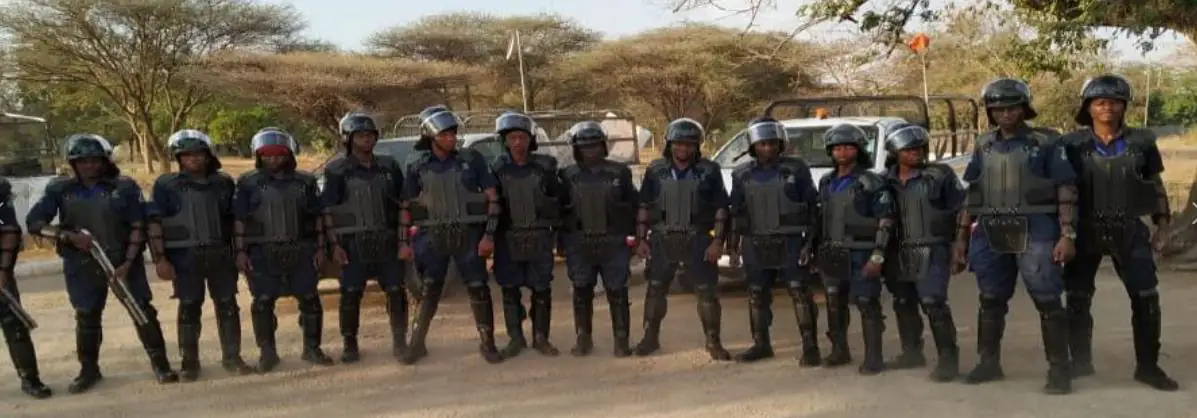
What is included
- Response to incidents at guarded sites
- Public visibility and perimeter patrols
- Infrastructure protection
- Support during protest action and labour unrest
- Short-term and retainer contracts
We hold a TCRA licence for our own VHF radio frequency, and radio procedure is part of every officer's training.
Close protection and escorts
Personal protection for executives and visitors, and escorts for cash and goods in transit.
Some risks travel with a person or a load. Close protection officers stay with company executives, dignitaries and private clients; escort teams accompany cash and goods on the road.
Who it is for. Executives, visiting delegations, private individuals, and businesses moving cash or route-to-market goods.
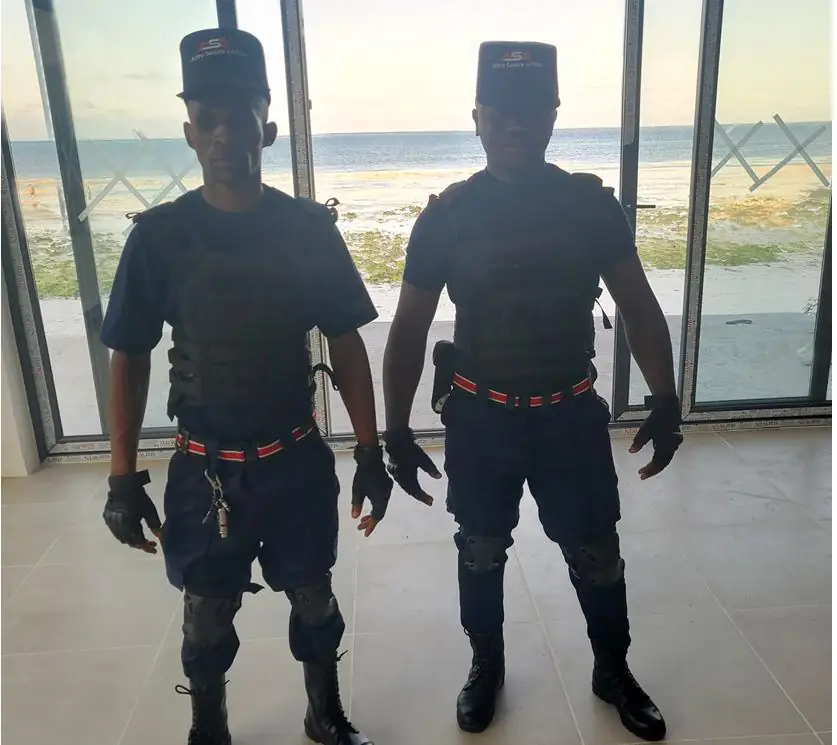
What is included
- Close protection officers
- Personal protection for executives and individuals
- Cash escorts
- Vehicle and convoy escorts
- Venue protection officers
Officers are chosen for temperament as much as training, and matched to the person and the task.
Security technology
Design, installation, maintenance and repair of electronic security systems.
Equipment that is installed and then left alone stops protecting anything. We design the system around the site, install it, and keep it maintained, repaired and calibrated.
Who it is for. Any site that needs to see, control or record who comes and goes.
What is included
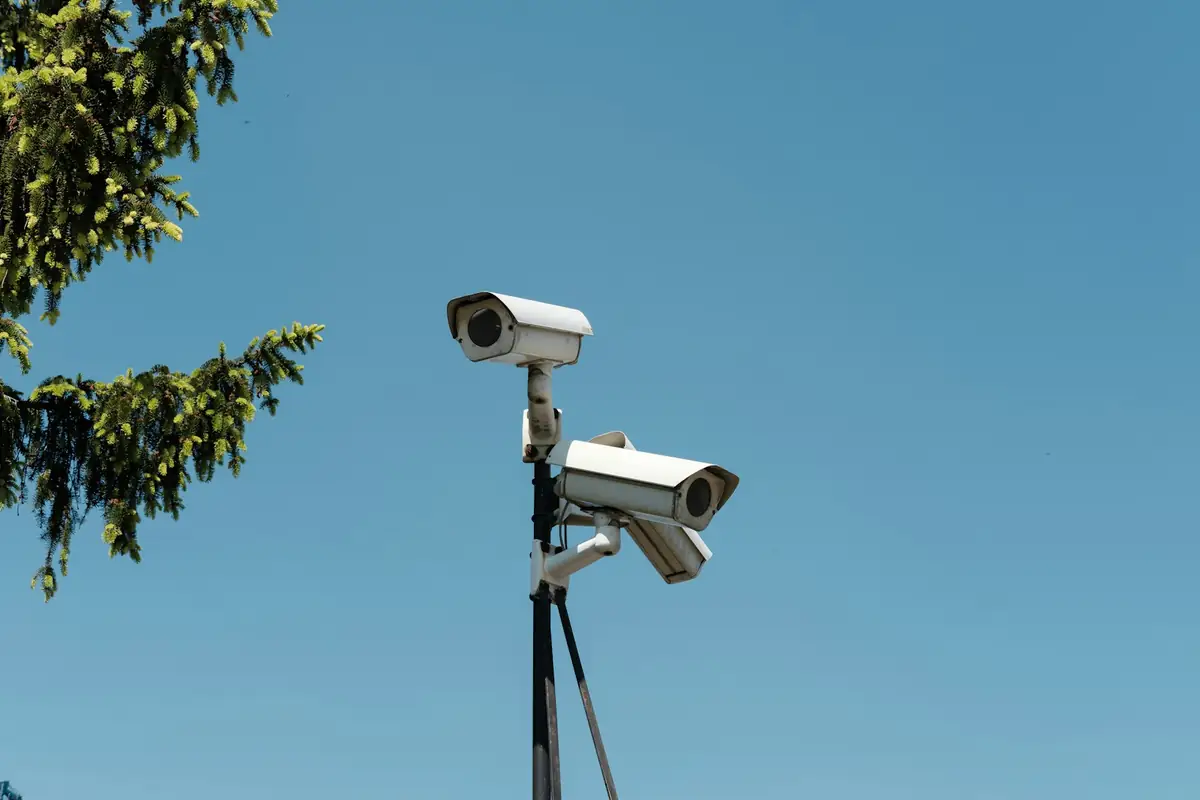
- Surveillance (CCTV) systems
- Access control systems
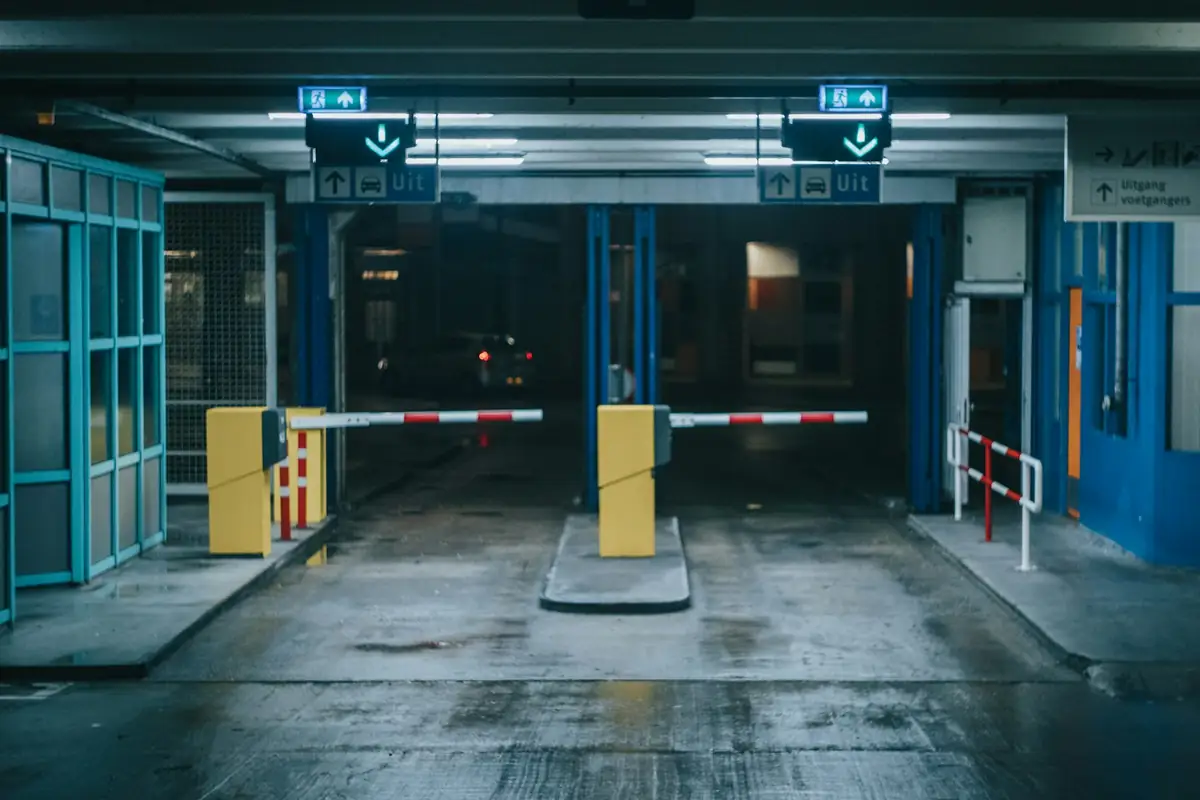
- Barrier systems
- Fire alarms
- Screening equipment, including X-ray machines
- Maintenance, repair and calibration
- Operator training on installed equipment
Installations are customised to each site, with design consultation before work starts and reporting afterwards.
Monitoring and control room
Control room operators who watch, log and coordinate across your sites.
Guards, patrols and cameras only work together when someone is coordinating them. Control room operators are part of our standard structure.
Who it is for. Multi-site organisations and sites with their own monitoring centre or building management system.
What is included
- Monitoring centre security
- Building management system (BMS) monitoring
- Radio and telephone coordination
- Incident logging and reporting
Radio and telephone procedure is a taught module in basic training, not something learned on the job.
Risk assessment and investigations
A trained assessor visits your premises and reports on your current security and risk factors.
Most security spending is decided without a written assessment. We start with one, and we investigate when losses have already happened.
Who it is for. Organisations reviewing a contract, opening a new site, or dealing with theft, stock loss or fraud.
What is included
- On-site risk assessments
- Theft and stock-loss investigations
- Fraud and embezzlement investigations
- Electronic countermeasures (debugging)
- Site instructions and standing orders
Site instructions are agreed with you and signed by both parties before officers are posted.
Security training
Training programmes for your own security staff and for institutions.
In-house teams often have no structured training. We analyse what your people need to do and build a programme around it.
Who it is for. Companies with in-house security staff, and public institutions.
What is included
- Search techniques: vehicle, personal, baggage and open area
- Rules for the use of force
- Non-lethal equipment: batons, handcuffs, pepper spray and flashlight
- Riot control
- Aviation security
- Land and maritime border security
- High-profile security training
We analyse your requirements first, then design the programme around your objectives.
How a contract starts
The same four steps, whether you need two officers or two hundred.
-
Site visit
A trained assessor visits your premises and evaluates your current security and risk factors.
-
Site instructions
We write the operating procedures for your site. Both parties agree and sign them.
-
Core team
We select officers against the profile the site needs and train them on your instructions.
-
Supervision
Shift leaders and site commanders run the site. Managers inspect, and we report back to you.
Start with a visit to your site.
A trained assessor will walk your premises, look at your current security and risk factors, and tell you what we would change.